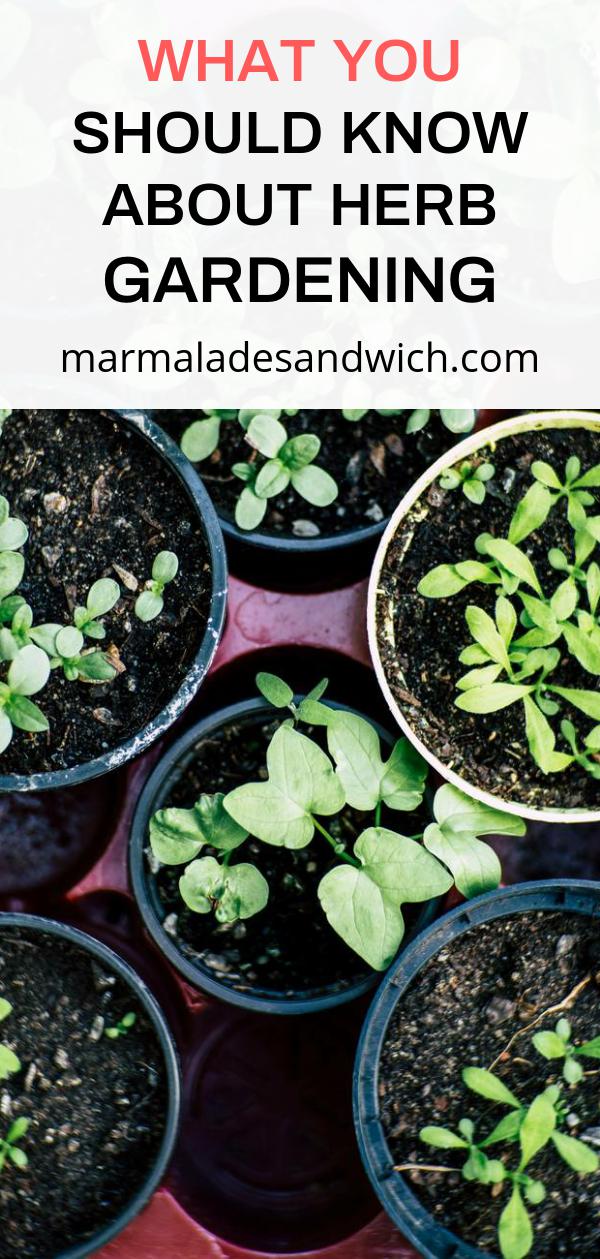
The sudden change to our lifestyles in 2020 was something that none of us could have predicted. I believe in looking for something good in every situation no matter how bad. One positive thing that has come out of being in lockdown and spebding more time at home is the fact many of us re-evaluated our lives. While confined to home many people have turned to gardening for relaxation. One of the most appealing things anyone will learn about herb gardening is how relaxing and simple growing herbs can be. What you should know about herb gardening is that you don’t even need a garden to do it. Any sunny windowsill will do.
Discovering all the wonderful, various herbs and what they do is a captivating pastime, and can be quite beneficial. You can use herbs for cooking, as medicinal aids such as topical dressings or healthy teas, or simply for decorative plants in the garden.
There are so many herb plants to choose from, it can be a bit daunting to the beginning herb gardener. A good source of information that you probably have is your cookbook, which often devotes a chapter or two to the uses of different herbs as flavorings and accents.
Planting a Basic Herb Garden
If you are venturing in to herb gardening for the first time you may be overwhelmed by the number of herbs to choose from. Get acquainted with herb gardening by growing herbs you think you’ll use, plus throw in one or two that sound interesting to you. Herb gardens can range in size from small containers to vast outdoor gardens.
If you are lucky enough to have a garden then you can experiment with lots of different herbs. To best learn herb gardening, start simple with a small, sunny plot, or use a clay pot filled with potting soil.
The Two Big Needs that herbs have:
— lots of sun, and
— well-drained soil.
How To Grow Herbs
When thinking about the conditions for growing any plant it is wise to think about it’s native environment. most herbs grow naturally in Mediterranean areas. Therefore most herbs have a preference for full or partial sun. The seed package or nursery will have this information clearly stated. Most herbs will not do well in very wet soil, and watering about every 2-3 days is usually sufficient. Raised garden beds are a good fit for herb gardens. They have excellent drainage and can be easily arranged for proper sunlight. On of the benefits of a raised bed is you can turn it in to a “no dig” garden.
When planting herb seeds, cover them lightly with soil, and don’t plant the seeds too deep. A good rule of thumb with herb gardening is “the smaller the seed, the shallower you sow.” If you are using young herb plants already started in growing trays, simply transplant them into your pots or garden bed. Sometimes the plants in the trays will have dried out. To give them the best start possible water them first before planting them.
Finally, remember that annual herbs (herb plants which only grow for one season and then die) and perennial herbs (herb plants which will return the following year) do best when planted separately. This avoids disrupting the perennial plants’ roots when it is time to dig out the dead annuals. It also prevents leaving dead root pieces behind which can contribute to fungus growth.
Herb Gardening For Cooking
Cooking with fresh herbs from your garden is a wonderful experience. To get started, here are gardening tips for two well-known herbs that are great for beginning herb gardeners.
Sweet Basil
Sweet basil leaves are good in salads and are the main flavoring ingredient in tomato dishes such as spaghetti and marinara sauce. In the northern climates, basil is usually grown as an annual plant. In milder climates, sweet basil will return each year on its own, and therefore is considered a perennial plant.
The sweet basil herb is a pleasure to grow because it thrives in average soil, and likes sun or partial shade. Sow the seeds after danger of frost is over, or start them indoors about eight weeks before growing season and then transplant them outside. You can also purchase ready-to-grow starter plants from nurseries and through catalogs.
It’s easy to promote the bushiness of the basil plant leaves by pinching and clipping the herb throughout the summer. Use the leaves fresh during the summer growth months, and in the fall, dry the leaves and store them for use during the winter.
Garlic
Garlic is full of minerals and nutrients, and is known to have great medicinal properties. It is a staple in every chef’s kitchen for cooking dishes from chicken and pasta to seafood and vegetables. We’ve all seen garlic bulbs at the grocery store… but did you know that one simple garlic bulb has enough cloves to begin a garden full of garlic plants? Here’s what you do:
When spring arrives and the weather has begun to turn warm, prepare a small garden bed in a sunny spot. Take the cloves and place them, pointy side up, in the soil. Plant them in clusters, or rows, and put a light layer of topsoil over them with some compost mixed in. When fall arrives, lift the garlic bulbs out of their bed.
Dry the garlic by slicing the bulbs into thin slices and placing them on a rack at room temperature. You can also store the bulbs by braiding the stalks and hanging the garlic in a dark, cool space. You may also freeze the entire garlic bulb!
Herb Gardening For Kids
Herbs grow quickly and are ideal for introducing children to the joys of gardening. If you have the space allocate a section of your garden to your kids. This has many benefits. They develop a healthy interest in where their food comes from, they learn a useful life skill and actually growing food can make them more likely to want to sample different healthy foods. If you have a fussy eater that won’t touch anything green, then getting them in to the garden is a great move. If you get children interested in growing herbs and vegetables then most will want to sample their efforts.
Herbs As Natural Cures
Did you know there are many natural cures for all sorts of ailments growing in your garden? Some of the herbs you can grow for medicinal reasons include lemon balm, marjoram, rosemary and comfrey. You can discover more about the healing power of plants in Dr Apelian’s beautifully illustrated book.
Learn about herb gardening with a few of your favourite herbs, and then begin to branch out with more. In the meantime, you’ll add wonderful flavors to your recipes, and mouthwatering aromas in the kitchen!