Over recent years doctors have come to realize that acid reflux is greatly affected by the foods we eat.
The idea is to create a diet that replaces medication. Although the main benefit was devised for acid reflux disease. but in fact this anti-inflammatory diet should be considered by everyone.
What is acid reflux?
There are two types of acid reflux.
- The traditional acid reflux is gastroesophageal reflux disease or GERD.
This is characterized by the sensation of a feeling of burning starting in your stomach, climbing up into your chest. The reason it’s often called a heart burn, is because the esophagus, which connects the throat to the stomach essentially sits on the heart, so you feel it in the mid-chest.
2. There’s a second type of reflux related to acidity.
When you eat or drink something very acidic, it actually causes inflammation as you’re swallowing and not only affects the throat, but the sinuses, the ears, the lungs and the vocal cords.
This uncontrolled or insufficiently controlled acid reflux can lead to esophageal cancer.
Well, what happens is, when you eat or drink acidic foods you irritate the esophagus.
If you’re eating or drinking something acidic, the sensitive esophageal tissues get burned, and if you keep burning them, the tissues break down and in a certain number of cases, they transform into cancer cells.
The way it was discovered is that the stomach has a certain type of cell that produces mucus. It’s called the gland-producing cell. The esophagus doesn’t have gland producing cells.
When these cells in the stomach start climbing up, think of it as if you’re heating something and the fire is rising.
Well, these tissues go outside of their normal area and can become cancerous and it’s acidity that’s responsible for a lot of this.
Esophageal cancer has been the fastest growing cancer in America and Europe since the mid-1970s.
Two things happened in the 1970s that influenced this.
- The US government brought in a law to say that any food in a can or bottle had to be acidified. This was to prevent food poisoning like Botulism. This meant that ascorbic acid or citric acid was added. The manufacturers found this led to increased shelf life for the products and many dropped the pH to very low levels.
- Around the same time, the food industry began to change the sweeteners they used. They moved away from cane sugar and beet sugar to a much less expensive, more readily available high fructose corn syrup.
these artificial sweeteners come in many forms now and they have an inflammatory effect. Some of the chemicals in these sweeteners loosen the lower esophageal muscle. this allows acid from the stomach to move up and damage the esophagus.
Stats show that the incidence of esophageal cancer increased in line with these changes coming in to force.
75 million Americans have gastroesophageal reflux disease. Many people don’t have the traditional symptoms. Only 1 out of 10 patients present with heart burn.
common symptoms are
nasal drip
coughing
hoarseness
What causes acid reflux?
You are what you eat. This is definitely true when it comes to acid reflux.
And not just what you eat but when you eat.
Foods can either be acidic as you consume them or foods that have physiologic functions.
12 foods to avoid if you have acid reflux
There are 6 foods that loosen the muscle that separates the acidic stomach from the non-acidic esophagus and there’s 6 foods or food categories that are extremely acidic as you eat them.
Foods that affect the muscle between stomach and esophagus.
- coffee,
- chocolate,
- alcohol,
- mint,
- raw onion,
- raw garlic.
Coffee and chocolate have particular properties that give them a double whammy. Although they are not the most acidic they also cause the stomach to produce more acid.
There’s an enzyme in the stomach that breaks down protein called Pepsin.
Pepsin normally sits in the stomach and it gets activated at very acidic environments. The stomach is very acidic, less than pH 4. Pepsin was found a few years ago to float.
It floats up and can sit on the vocal cords or in the sinuses. It can sit in the middle ear spaces, and in the lungs.
Acidic foods to avoid
The second group of foods to avoid in order to prevent acid reflux are those that are acidic. Foods below pH 4 should be avoided.
Almost any beverage in a can, bottle or box is very, very acidic. Sugary or diet soda, sugary or diet bottled iced tea are definitely no-no s.
You coul’d probably guess that those bottles of pop would be bad for you but there are some foods which you may think are good for you.
There are 4 healthy things the “Four Under Four”, meaning the 4 substances under pH 4.
- Citrus,
- tomato sauce (not tomatoes themselves)
- vinegar,
- wine.
These are all acidic and cause tissue-bound pepsin to be activated and released which causes inflammation.
This inflammation causes the hoarseness, swells the sinuses and can irritate the lungs. If you keep eating or drinking these things the damage is cumulative. However the effect is also immediate.
As soon as you eat or drink something that’s very acidic, you get a body-wide inflammatory response.
Changing your diet to one low in acid can improve, psoriasis, Crohn’s, irritable bowel syndrome etc
Cigarettes, Vaping, Marijuana
Cigarettes increase your chance of getting cancer. Many people have turned to vaping and believe they are safe but that is not necessarily so. A study by the Department of Pediatrics at UC San Francisco showed that the chemicals used in the vaping process, the propylene glycol and related compounds are carcinogenic.
They identified five, that are all carcinogenic. This goes beyond acid reflux. We’re talking about an inflammatory response to the lungs as well as to the vocal cords. We don’t know yet the effect because it hasn’t been around long enough to see but when some of the most respected scientists in the world are saying these inhaled agents, even though it’s not as hot, you’re still doing enough to them to cause tissues to transform or become cancerous.
If you eat marijuana , it’s not carcinogenic as far as we know. Your gummy bear or the equivalent, but as soon as you ignite it, you release something called a TIF, a tumor initiation factor.
Both tobacco and marijuana will loosen the lower esophageal muscle, again, taking away some of the natural protective mechanisms that we have.
Allergies
The inflammation that these acidic foods cause can mimic the symptoms of some allergies. The nasal drip is much like an allergy to ragweed or a grass.
If allergy tests come back negative then trying a low acid diet should be the next step.
Obesity
There is a documented relationship between being significantly overweight, acid reflux disease and esophageal cancer. The simple way to think of it is when you are overweight, you’re actually pushing on the stomach, especially in certain positions and the inflammatory material comes up.
The anti-inflammatory diets has the added benefit of losing weight.
Not only do you get the benefit of the lowered inflammation risk but it’s also a high-fiber diet. When you’re eating plenty of fiber, you’re actually moving things along in the body and it was again recently shown that when you eat a lot of fiber, you reduce inflammation in the gut. You actually help the gut microbiome.
Diagnosing acid reflux.
A test for acid reflux comes in many forms. Initially what the patients are telling us. Those that eat late at night are more at risk as the stomach doesn’t have time to empty before lying down.
When you have constant inflammation in a part of a body, the tissues swell.
This can eventually cause your tissues to become numb meaning you don’t feel anything. If you suffer with heartburn and then it apparently goes away, it may be that you no longer feel the sensation.
15% of people that present with throat symptoms will have potentially esophageal pre-cancer. That’s called Barrett.
That means stomach lining creeping up into the esophagus, 50% of that could potentially become cancer.
There are several ways to confirm a diagnosis and exclude cancer.
- Barium swallow study. During this study, you swallow a liquid that includes barium and then undergo X-rays. The barium coats the inside of your esophagus, which then shows any changes to the tissue on the X-ray.
- Using a scope to examine your esophagus (endoscopy). During endoscopy, your doctor passes a flexible tube equipped with a video lens (videoendoscope) down your throat and into your esophagus. Using the endoscope, your doctor examines your esophagus, looking for cancer or areas of irritation.
- Collecting a sample of tissue for testing (biopsy). Your doctor may use a special scope passed down your throat into your esophagus (endoscope) to collect a sample of suspicious tissue (biopsy). The tissue sample is sent to a laboratory to look for cancer cells.
Treatments for acid reflux
Proton pump inhibitors
In the 1990s, a class of acid-reducing medications called proton pump inhibitors were developed for use in the United States and around the world. They are among the most effective acid reducing medications ever and were widely regarded as a Godsend. As time went on, possible side effects of these medications were reported.
The reported side effects (kidney problems, bone fractures and dementia) are observational and haven’t been proven in a controlled trial.
A typical proton pump inhibitor will suppress 80% of acid production for a 12-hour period.
Acid reducers
There are less strong acid reducers like Ranitidine or Famotidine, the brand name is Zantac or Pepcid, that suppress about 40% of acid for 4 hours.
So these are about a third as potent as the proton pump ones and don’t have the same long-term side effects.
it is better to stay away from medications as much as possible, and try the food solutions and diet and lifestyle solutions. We’re trying to stay away from a pharmacological solution if we have to.
If you have esophageal pre-cancer, that’s a different story. You should always follow the advice of your doctor.
Natural treatments
Organic fruits and vegetables preserve a lot of the nutrients.
When pesticides are used, when hormones are used, when antibiotics are used, it’s going to affect the quality of what you’re ultimately going to be eating. When we talk about foods that have preservatives, often the chemicals in the preservatives will loosen the muscle between the esophagus and the stomach and allow passage the wrong way.
Some of the genetically-modified foods, again, the preservatives, the chemicals used have inflammatory effects.
Whether it’s a direct loosening and causing acid this way or body-wide inflammatory response because of the chemicals that are being used, we really, as much as possible, want to stay away.
The point is, the more whole food, natural food you have, the better it is for your body, meaning less chemicals, less inflammation.
Low acid, high fiber diet
This is the Acid Watcher Diet. A pound of vegetables and half a pound of fruit a day. A pound of vegetables is around four carrots. When you go to your salad bar, almost any of these salad stores, they’re giving you a pound of veggies right there.
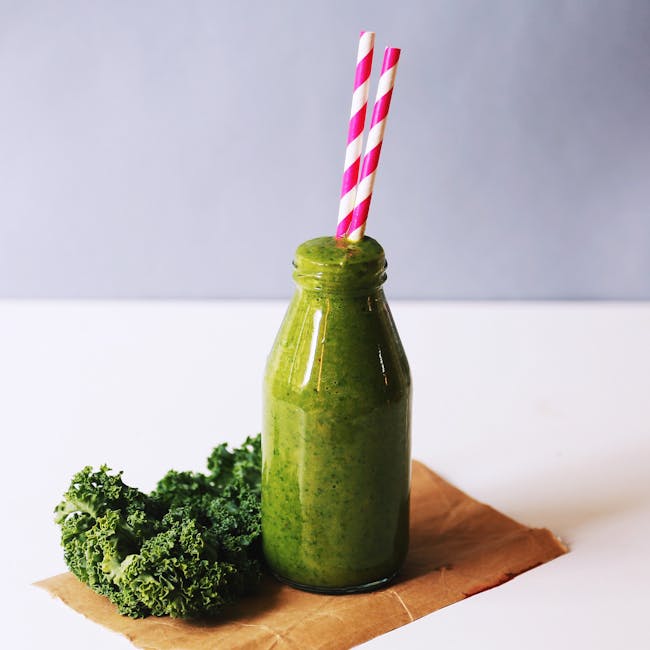
If you don’t want to do that, throw it in your morning smoothie.
We take half a pound of fruits, sometimes we add vegetables if the fruit is acidic, say, something like a pineapple or even an orange, you can neutralize it by adding a non-dairy milk, what I call CARS, C-A-R-S.
- Coconut
- almond
- rice
- soy
- Anyone of those non-dairy milks will neutralize the acidity of, say, a pineapple, the acidity of an orange. You can have those tastes without the inflammation.
You could take kale, you could take spinach, you can slice up your carrots, your cucumber. These are ways to get your fruit in at the start of the day. It almost doesn’t even matter what the rest of the day brings you. One of the advantages of fruits and vegetables is the amount of fiber, also seeds.
Chia seeds, a tablespoon, has 5 grams of fiber. Add 3 tablespoons in your morning smoothie, that’s 15 grams of fiber. That’s a lot of fiber in an 8-16 ounce beverage.
There are ways to do this very creatively and in a delicious way right off the bat. We know that fiber, we know that low acid will decrease inflammation.
These are not only preventative ways to handle acid reflux disease but also treatment ways.
I call the combination of watermelon and cucumber, food steroids. Why? Watermelon has the greatest concentration of an anti-inflammatory agent called lycopene. For years it was thought that tomato, its red color, had the highest source of lycopenes and urologists would say to their male patients, for prostate health, have a tomato.
Well, as it turns out, watermelon has even more lycopenes per unit weight than tomatoes.
For overall health, have a watermelon.
Cucumber has something called a lignan, L-I-G-N-A-N. Lignans are also powerful natural anti-inflammatory agents, so are flax seeds.
Morning smoothie recipe
- a handful of ice,
- a cup of watermelon,
- a cup of sliced cucumber, you can leave the skin on, ideally an organic seedless one
- a tablespoon of flax seeds,
- press play on your blender and you have an anti-inflammatory beverage.
If you have any signs of acid reflux then you should visit a doctor to eliminate other causes. However reducing the acidity of our diet can be a healthy choice for many of us. An alkaline diet, which avoids acidic foods with pH below 4 can help to prevent acid reflux.
this article is based on the interview of Dr. Jonathan Aviv an ear, nose and throat doctor at ENT and Allergy Associates. hi is also a clinical professor of Otolaryngology. He is the author of a book called The Acid Watcher Diet, a 28-Day Reflux Prevention and Healing Program.
.
